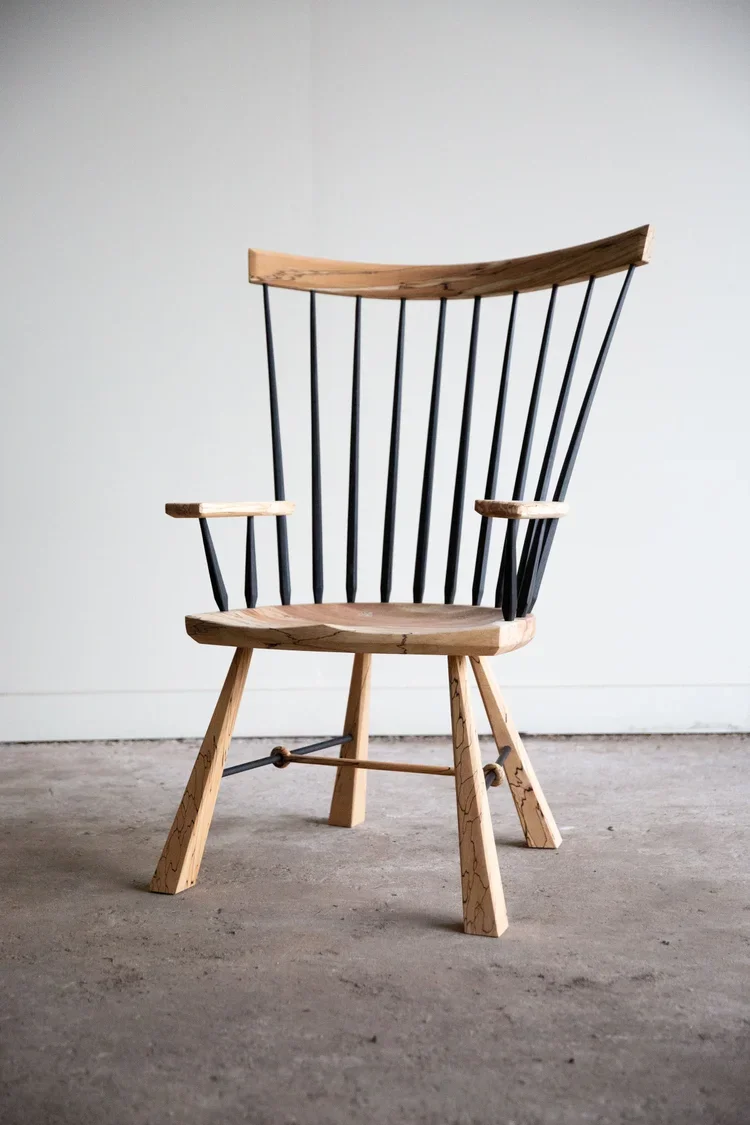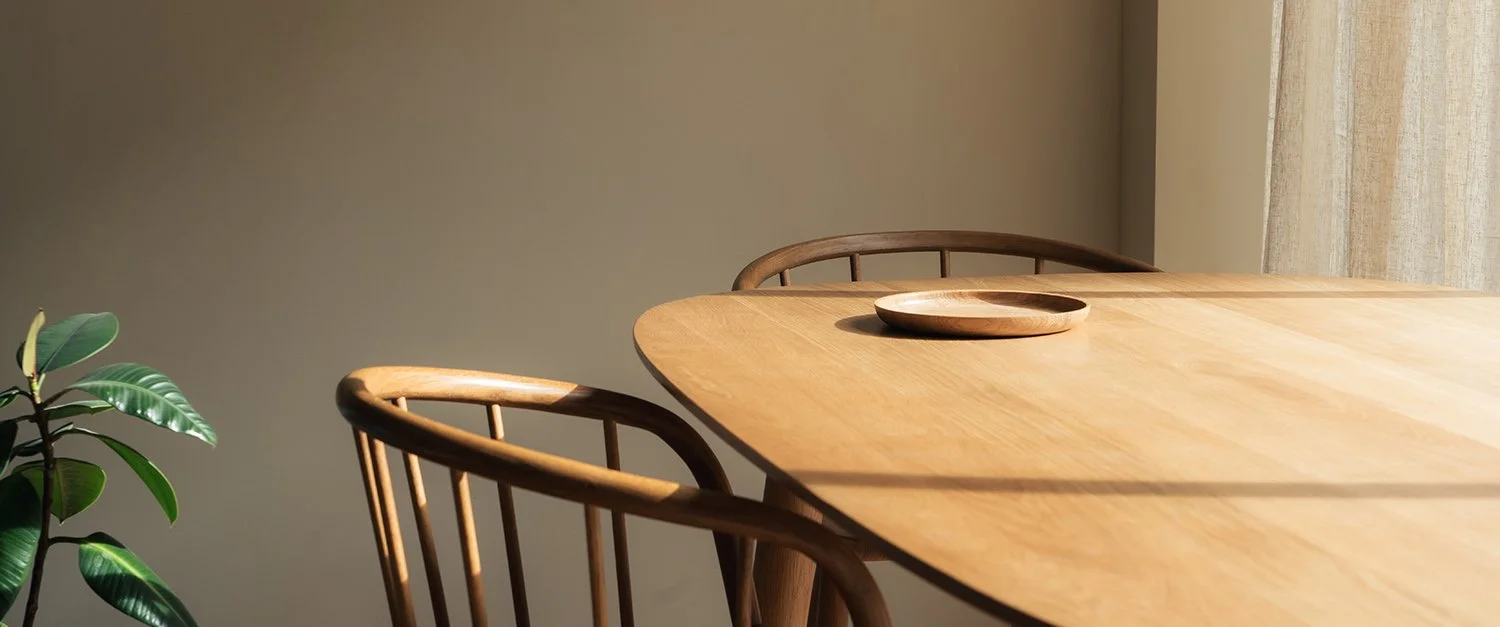
design that whispers, never shouts
Looking for Scandinavian-style furniture? Look closer to home.
Natural materials, quiet forms, thoughtful proportions and things made to last. We understand the appeal of Scandinavian-style interiors. But many of the qualities we associate with them can also be found much closer to home.
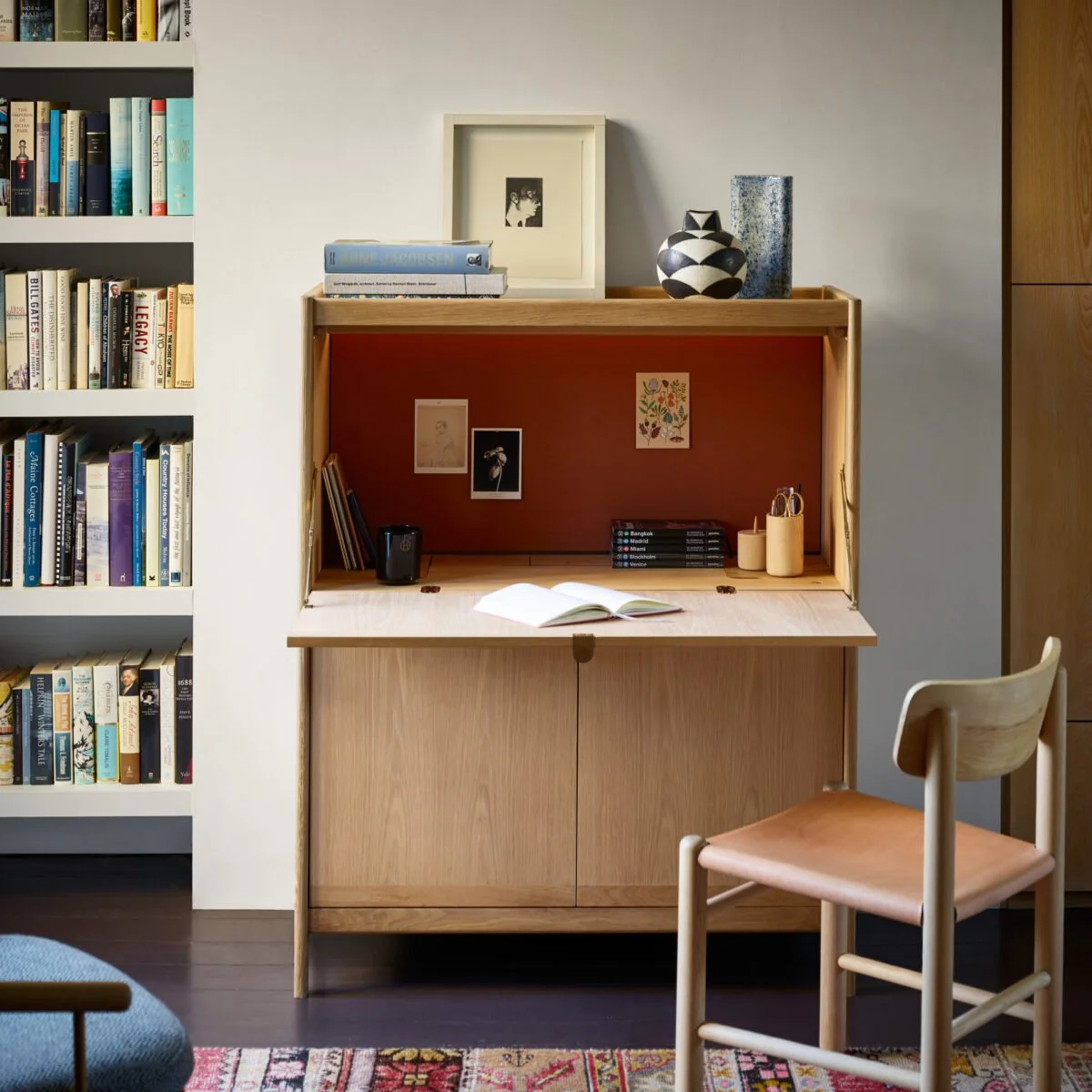
Walk into fōrm&blōm and you may well think some of the furniture is Scandinavian. People tell us this surprisingly often.
Perhaps it is the oak. Perhaps it is the simplicity of the forms, the absence of unnecessary decoration, or the sense that the material and the way something has been made are allowed to speak for themselves.
We understand the association.
Scandinavian design has had an extraordinary influence on the way we think about our homes. Beyond its geographical origins, the idea of a “Scandi interior” has become shorthand for something many of us want to live with: natural materials, useful objects, uncluttered spaces, warmth, craftsmanship and a certain visual quietness.
But look more closely at much of the furniture at fōrm&blōm and you will discover something different.
A great deal of it is British.
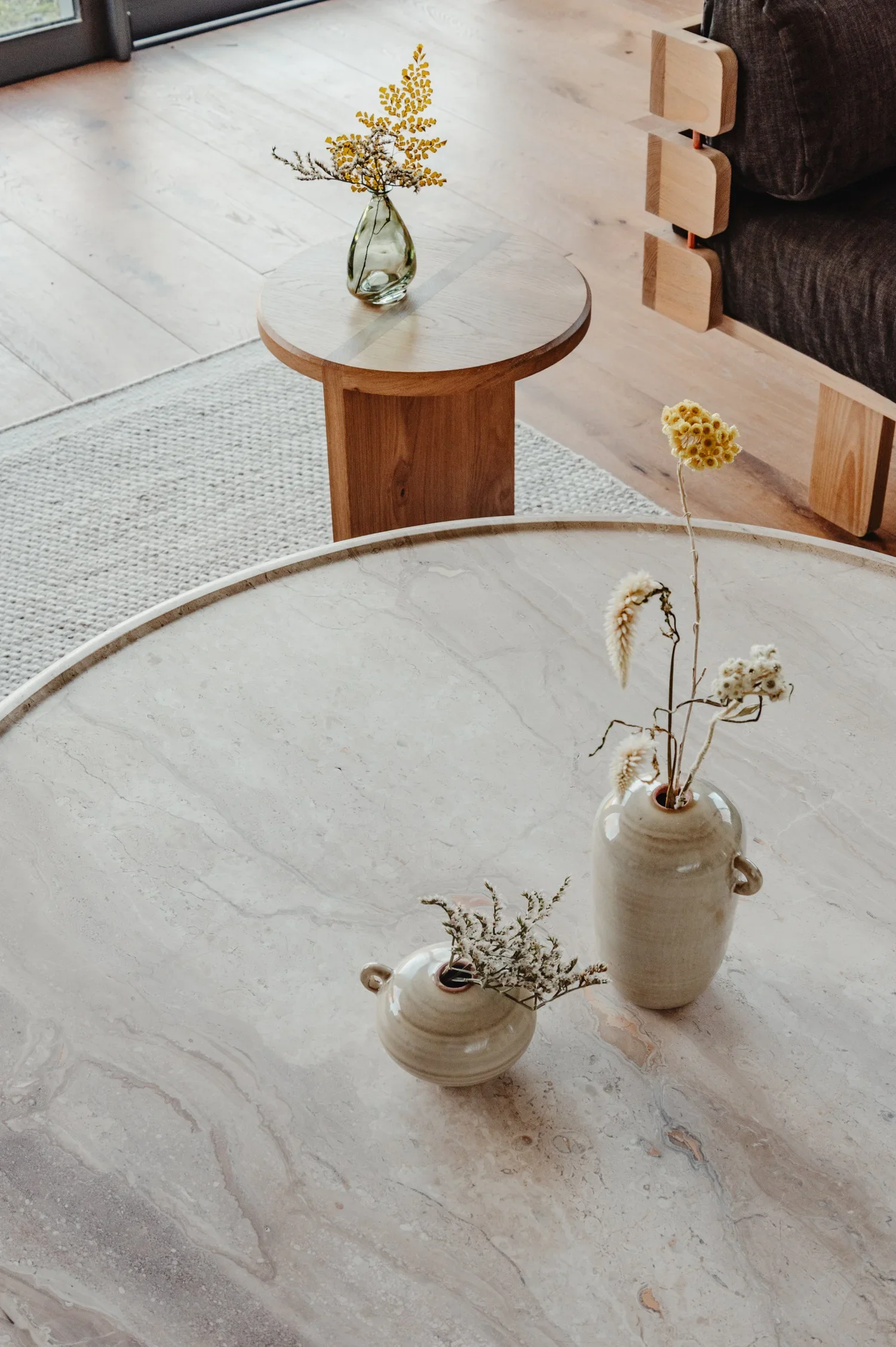
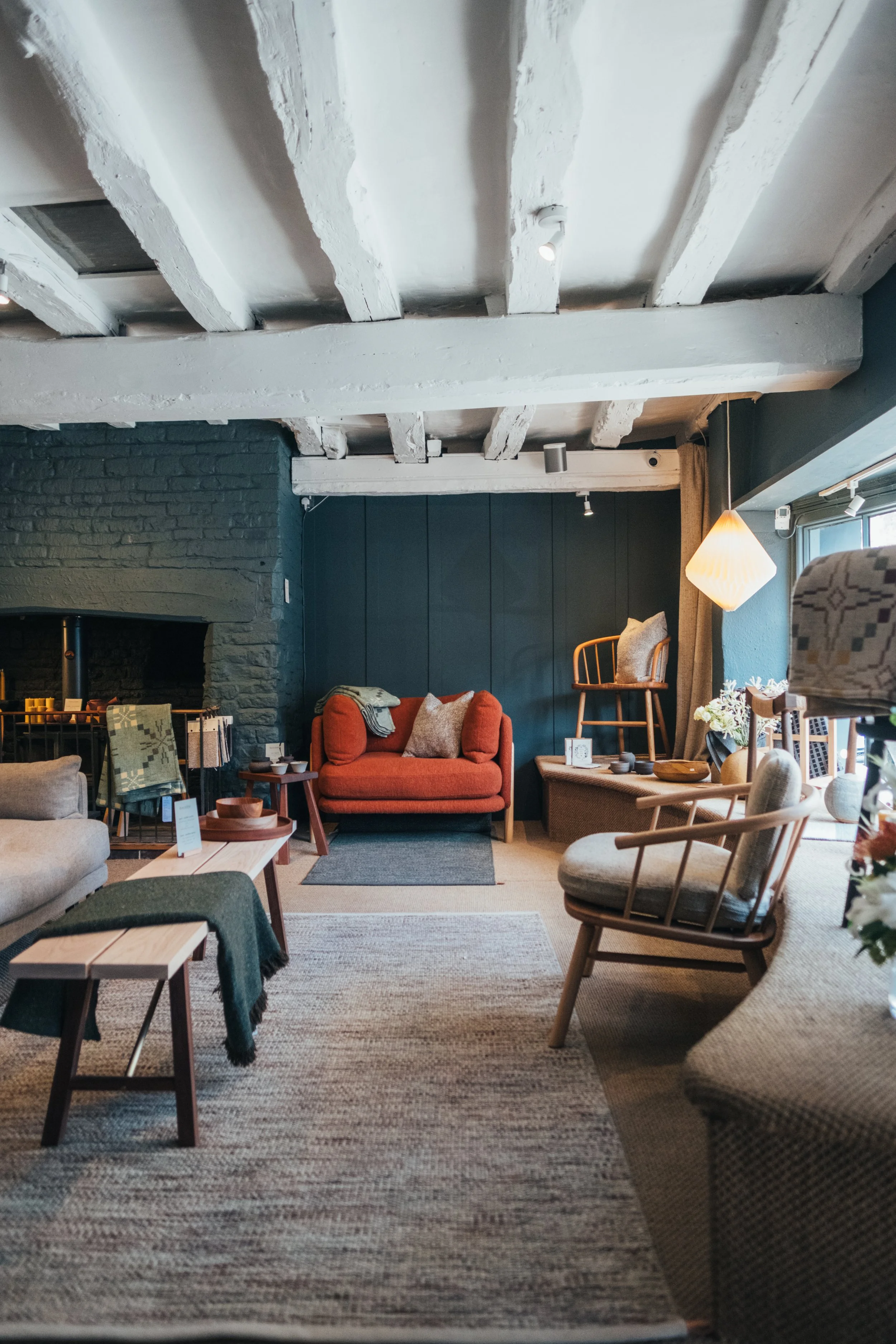
What are we really looking for when we search for Scandi?
Search for Scandinavian-style furniture or Scandi interiors and certain characteristics appear again and again: natural timber, simple silhouettes, considered proportions, tactile materials and an emphasis on function.
These qualities are undoubtedly important to Scandinavian design.
They don't, however, belong exclusively to it.
Britain has its own long history of useful, beautifully made furniture: vernacular pieces developed for everyday life; Windsor chairs; country furniture; workshop traditions in which construction was expressed rather than hidden; and generations of makers who understood that good timber rarely needs disguising.
Contemporary designers continue to explore many of those ideas.
Their work isn't an imitation of Scandinavian design. Nor do we think it needs to be described as “Scandi-inspired”.
It has an identity of its own.